Business Buying Strategies from The Dealmaker's Academy Podcast By Jonathan Jay Business Buying Expert cover art

Business Buying Strategies from The Dealmaker's Academy

Business Buying Strategies from The Dealmaker's Academy

By: Jonathan Jay Business Buying Expert
Listen for free

The Business Buying Strategies Podcast comes from The Dealmaker's Academy, the world's leading training on buying and selling businesses - without risking your own money! Each week we talk to leading experts, discuss business buying strategies, offer hints and tips and cover the essential skills you will need to buy and sell businesses effectively.The Dealmaker's Academy 2023 Economics Leadership Management & Leadership Personal Development Personal Success
Episodes
  • #348 The Reality of Buying a Business — What No One Tells You
    Apr 2 2026
    What's it really like to buy a business? Not the Instagram version. Not the "Lamborghinis and Dubai" version. The real version. In this episode, Jonathan brings together a panel of experienced dealmakers at Riverside Studios, all of whom have completed multiple acquisitions across sectors including property, construction, accountancy, engineering, and more. What follows is one of the most honest conversations you'll hear about business buying. Behind the Scenes: Real Deals, Real Numbers This isn't theory. These are people who have actually done it: 11 deals in 5 years£17M group revenue£26M in acquisitions underwayMultiple buy-and-build strategies across sectors And yet, despite the success… every single one of them has faced setbacks, stress, and deals falling apart. The Truth: Deals Fall Apart (Often at the Last Minute) One of the clearest messages from this episode: Expect things to go wrong. You'll hear examples like: Deals collapsing on the day of signingSellers changing their mind at the last minuteLawyers slowing everything downWeeks (or months) of work disappearing overnight One dealmaker shares how they: Rebranded a businessBuilt a websiteSpent £15,000 preparing …only for the seller to walk away at the final moment This is normal. The Emotional Reality Buying a business isn't just strategic, it's emotional. High highs when deals progressLow lows when they fall apartConstant uncertainty As one dealmaker puts it: It's a rollercoaster. Expect to strike out more than you succeed. If you're not prepared for that, it will catch you out. Seller Problems You Don't Expect Even after completion, challenges don't stop. Real examples from the episode include: Sellers sabotaging the business after sellingNegative reviews being posted by the former ownerDirectors staying on and disrupting operationsInternal conflict damaging performance These are rarely talked about, but they happen. How to Protect Yourself The panel shares practical ways to reduce risk: Avoid keeping sellers as directors unless absolutely necessaryUse deferred consideration tied to performanceStructure agreements so sellers are incentivised to help, not hinderUse clear consultancy agreements instead of vague ongoing rolesDefine responsibilities and expectations upfront The key idea: Alignment matters more than goodwill. Deal Flow: The Numbers Game No One Warns You About Another reality check: Finding the right deal takes volume. Thousands of lettersHundreds of conversationsSingle-digit response rates Even then: Most responses won't lead to dealsMany opportunities won't stack upPersistence is essential But there's nuance: Some deals happen quicklyOthers take yearsLuck plays a role The only constant is this: You need to keep going. Persistence vs Stubbornness This episode draws an important distinction: Persistence = keep moving forwardStubbornness = repeating what doesn't work Successful dealmakers: Learn from failed dealsAdjust their approachDelegate and outsourceFocus on higher-value activity They don't just "try harder" They get smarter Why Most Business Owners Stay Stuck A powerful theme emerges: Most business owners: Grow slowlyStay in their comfort zoneChase small improvements While dealmakers: Think biggerUse acquisition to scale fasterDouble or triple revenue through deals The difference isn't intelligence. It's mindset. The Hidden Barrier: Your Own Thinking One of the most striking insights: Your growth is limited by what you believe is possible. Many people unconsciously cap their successThey return to familiar "safe" levelsThey self-sabotage without realising To grow, you have to: Redefine what "normal" looks likePush beyond your current identityThink at a different level Key Takeaways If you're considering buying a business, take this seriously: 1. It's not glamorous Ignore what you see online. This is hard work. 2. Deals will fall apart Build resilience. Expect setbacks. 3. Sellers can become problems Structure deals to protect yourself. 4. Volume matters More conversations = more opportunities. 5. Learn and adapt Don't repeat the same mistakes. 6. Think bigger Acquisition is a faster path than organic growth. 7. Your mindset sets the ceiling If you don't change how you think, nothing else changes. If you're serious about buying a business – and avoiding the mistakes Jonathan outlines – book a free Clarity Call with one of his team: 👉 dealmakers.co.uk/clarity You'll get 15 minutes of expert insight to help you decide which next step is right for you – whether that's attending a Deal Club evening, joining the 3-day Foundation Programme, or stepping straight into the Mastermind. Subscribe & Review If you enjoyed this episode, please subscribe and leave a review. It helps more future dealmakers discover the show – and succeed in their first business acquisition.
    Show more Show less
    34 mins
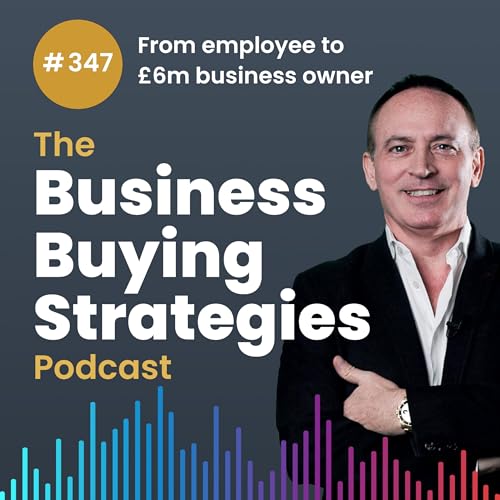
  • #347 From Employee to £6M Business Owner — How One Deal Changed Everything
    Mar 19 2026
    What happens when you stop thinking like an employee… and start thinking like a dealmaker? In this week's episode, Jonathan talks with Pete, a Masterminder who has gone from earning £50k a year to co-owning a group of businesses generating £6 million in revenue — all within just a few years.  Pete's journey started as an apprentice engineer. • One day a week at college • Meeting a future business partner • Years of working for other people • A growing frustration that there had to be something more The opportunity came when they explored buying the business his partner worked in. But the deal dragged on for two years. Nothing happened. Everything changed when Pete discovered Jonathan's approach. Within 6–7 months, the deal was done. The biggest shift? Confidence. Once you realise you can do it, everything changes. Pete highlights a critical lesson most beginners miss: Never rely on one deal. Instead: • Send out letters consistently • Build multiple conversations • Create choice and comparison Because the moment you only have one option, you become a motivated buyer. And that's when bad decisions happen. The Reality of Distressed Deals One of the acquisitions was a distressed "£1 deal". On paper, it looked like an opportunity. In reality? • Key staff left early • Critical knowledge disappeared • Supplier issues surfaced • Unexpected £500k liabilities appeared It was fixed, and became profitable. But the lesson is clear: Distressed deals are not easy wins. Peter sees the biggest learning curve as people. Not finance. Not strategy. Not deal structure. People. Key Takeaways from This Episode
    1. Take action - Waiting doesn't get deals done.
    2. Don't get emotionally attached to one deal - There are always other opportunities.
    3. Don't negotiate yourself out of a deal - Sometimes "good enough" is better than perfect.
    4. Build deal flow - Options give you power.
    5. Surround yourself with the right people - You can't do this alone.

    If you're serious about buying a business – and avoiding the mistakes Jonathan outlines – book a free Clarity Call with one of his team:

    👉 dealmakers.co.uk/clarity

    You'll get 15 minutes of expert insight to help you decide which next step is right for you – whether that's attending a Deal Club evening, joining the 3-day Foundation Programme, or stepping straight into the Mastermind.

    Subscribe & Review

    If you enjoyed this episode, please subscribe and leave a review. It helps more future dealmakers discover the show – and succeed in their first business acquisition.

    Show more Show less
    28 mins
  • #346 Negotiation, Deal Structuring and Funding: What's Actually Working Right Now
    Mar 5 2026
    Buying a business isn't just about finding the right opportunity. It's about structuring the deal in a way that works for everyone involved. In this week's episode of Business Buying Strategies, Jonathan hands the microphone to his dealmaking partner Martin, who shares insights from a live webinar with Dealmakers clients. Martin has been directly involved in hundreds of acquisitions and is currently negotiating multiple deals himself. In this session he explains how real deals are structured, how negotiations actually unfold, and what funding strategies are working in today's market. This episode is packed with practical advice drawn from real negotiations happening right now. What You'll Learn in This Episode Why negotiation skills matter more than clever deal structures Many new dealmakers become fascinated by complex deal structures. But Martin explains that the structure itself is rarely the difficult part. The real skill lies in negotiating terms that work for both sides. Successful negotiators focus on three outcomes: • Getting the business cheaper • Getting better payment terms • Getting more value for the same price When you negotiate with these principles in mind, both sides feel they've achieved a good outcome. Why deal structure can change a business's value dramatically One of the most striking insights from the episode is how the same business can be valued very differently depending on the deal structure. Martin shares a real example where four potential deal structures valued the same business between £1.2 million and £3 million. Nothing about the business itself changed. Only the structure of the deal. Ironically, the structure with the highest valuation turned out to be the best deal for the buyer because it produced significantly stronger annual cashflow. It's a powerful reminder that: Price alone never tells the full story. Why preparation matters – but expecting the unexpected matters more Many first-time buyers believe they need to be perfectly prepared before approaching a seller. Martin explains why this mindset can hold you back. In real negotiations, unexpected moments happen constantly. He shares a story about visiting a potential acquisition target and discovering—mid-conversation—that the seller spoke Danish, which unexpectedly became a useful rapport-building moment. The lesson? You cannot prepare for every possible outcome. But you can stay flexible and genuine. The difference between objections and buying questions A key negotiation skill is recognising the difference between: An objection and A buying question Often when sellers raise concerns, they are not rejecting the deal. They are simply participating in the buying process. For example, when a seller asks: "How do I know you'll actually pay me the deferred payments in the future?" This is usually a buying question rather than resistance. Martin explains how to respond by: • Sharing your long-term vision for the business • Explaining why reputation matters for future acquisitions • Highlighting legal protections within the deal Handled correctly, these moments can build trust rather than derail negotiations. The most common funding options used in acquisitions Funding a deal doesn't always require traditional bank loans. Martin outlines several financing options frequently used in acquisitions: Invoice Finance One of the easiest and most flexible funding sources, especially for B2B businesses. Asset Finance Funding secured against equipment, machinery or vehicles within the business. Bridging Finance Often used when property assets are involved. Cashflow Lending Possible but generally riskier because it relies solely on the borrower's ability to repay. Interestingly, Martin's preference is often no external finance at all, using seller-funded structures instead. These can dramatically reduce risk for the buyer. The danger of majority share purchases Another important insight relates to buying majority stakes instead of full ownership. Martin warns that shared ownership can lead to serious problems if the relationship between directors breaks down. Whenever possible, buying 100% of the business is usually the cleaner and safer option. If a minority stake remains, it's essential to agree upfront how future exits will be handled. How to handle seller concerns about deferred payments One of the most common objections sellers raise is concern about receiving payments years into the future. Martin explains how to reassure sellers by emphasising: • Your long-term strategy for the business • The reputational damage of failing to honour agreements • Legal protections within the share purchase agreement • The mutual incentives to make the business succeed When positioned correctly, deferred payments become a shared success model, not a risk. Key Takeaway The biggest misconception about buying businesses is that deals depend on complicated financial engineering. In reality, successful...
    Show more Show less
    33 mins
No reviews yet