• #81 How to Support Someone with Chronic Illness
    Apr 6 2026
    We welcome back Meredith Mangold to shift the conversation from the medical "odyssey" to the human connection. While the first part of Meredith’s story (Episode 76) focused on her grueling search for a diagnosis and treatment for ulcerative colitis, POTS, and EDS, in this episode, we explore the essential, and often overlooked, role of support systems. Living with chronic pain at an "8 out of 10" for years isn’t just a physical challenge; it’s a relational one. Meredith joins hosts Cathy and Beth to discuss what it means to be truly supported when an illness doesn't have an end date. We dive into the nuances of communication, the "guilt of being too much," and the common mistakes well-meaning loved ones make when trying to "fix" a situation that can’t be fixed. Whether you are navigating a chronic condition yourself or walking alongside someone who is, this episode offers a masterclass in empathy, validation, and the power of simply being believed. Episode Topics: Survival vs. Support: Identifying the moments when external support became essential to Meredith’s survival during her hardest years of chronic pain.The Anatomy of a Support System: What effective support looks like practically, emotionally, and through "quiet presence."Validation vs. "Fixing": Why well-meaning advice can sometimes feel harmful and how to pivot toward validation and safety.The Burden of Guilt: Navigating the fear of being "too much" for friends and family.Communicating the Invisible: Tips for articulating needs when pain is invisible and chronic.Advocacy without Burnout: How patients can ask for what they need without feeling ashamed. About the Guest: Meredith Mangold, CPXP, is the Founder of Empower Health Strategies and a Certified Patient Experience Professional. After being thrust into the healthcare system at age 20 with severe ulcerative colitis, later followed by diagnoses of POTS and Ehlers-Danlos Syndrome, Meredith dedicated her career to helping healthcare professionals and digital health innovators empathize with the patient journey. She serves on the board of the Chronic Pain Project, is a faculty member for the BiteLabs Fellowship, and collaborates with Johns Hopkins Hospital on patient advocacy initiatives. Resources & Links Mentioned: Meredith’s Website: Empower Health StrategiesConnect on LinkedIn: Meredith MangoldThe Chronic Pain Project: chronicpainproject.orgRead Meredith's Story: Emerging from the Fog (Johns Hopkins Medicine)The Chronic Illness Hotline: A text-based peer support line for those navigating chronic illness, pain, and disability. Support their mission or find help at chronicillnesshotline.org. Relevant It Happened To Me Podcast Episodes: #17 Mental Health Help with Social Worker Tamara Blum #25 Pancreatic Cancer with Patient Advocate Leslie Waldman #38 Dr. Tara Zier on Stiff Person Syndrome #66 Not Just Fatigue: Global Advocating for ME/CFS from Bed #76 When Pain Never Stops: A Survivor’s Story of Chronic Pain and Hope (Merdith’s First Interview) #77 When Chronic Illness Changes the Tune: A Musician’s Journey Through Diabetes and Stroke Connect With Us: Stay tuned for the next new episode of “It Happened To Me”! In the meantime, you can listen to our previous episodes on Apple Podcasts, Spotify, streaming on the website, or any other podcast player by searching, “It Happened To Me”. “It Happened To Me” is created and hosted by Cathy Gildenhorn and Beth Glassman. DNA Today’s Kira Dineen is our executive producer and marketing lead. Amanda Andreoli is our associate producer. Ashlyn Enokian is our graphic designer. See what else we are up to on Twitter, Instagram, Facebook, YouTube and our website, ItHappenedToMePod.com. Questions/inquiries can be sent to ItHappenedToMePod@gmail.com.
    Show more Show less
    44 mins
  • #80 The Expert's Guide to Autism: Diagnosis, Red Flags, and Evidence-Based Care
    Mar 16 2026

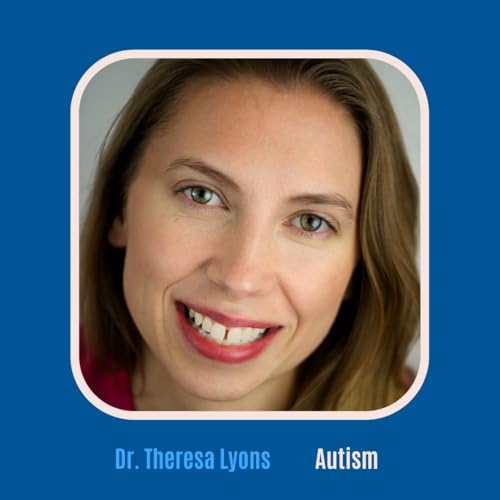
    In this episode we explore the complex world of autism spectrum disorder (ASD) in children, featuring practical guidance from Dr. Teresa Lyons, an autism expert, scientist, and parent of a child with autism.

    Dr. Theresa Lyons is an international autism educator, Ivy League-trained scientist, and autism parent. Dr. Lyons holds a Ph.D. from Yale and is the founder and CEO of Navigating AWEtism, a platform designed to turn complex autism science into clear, practical guidance for families.

    Dr. Lyons’ perspective is so powerful. She brings both rigorous scientific training and lived experience as the parent of a child with autism. She’s worked with families in more than 21 countries, helping parents move from fear and confusion to confidence and clarity.

    Key Topics Discussed:

    • What autism is and how it is diagnosed through observation on a spectrum
    • The influence of changing diagnostic criteria and rising awareness
    • Early signs and red flags for autism in infants and toddlers
    • The importance of differentiating misinformation from evidence-based practices
    • How families can prioritize support strategies tailored to their child's strengths
    • The role of collaboration between parents, professionals, and educators
    • Myths about autism, including misconceptions about listening and cognition
    • The connection between vaccines and autism, and how to approach medical decisions
    • Supporting parental mental health and managing emotional regulation
    • Scientific advances in identifying biomarkers and personalized interventions
    • Practical at-home steps for fostering communication and emotional stability

    Resources:

    Dr. Thersea Lyons’ LinkedIn

    Navigating AWEtism's Website

    Navigating AWEtism's YouTube Page

    Psychology Today

    Autism Speaks

    Connect With Us:

    Stay tuned for the next new episode of “It Happened To Me”! In the meantime, you can listen to our previous episodes on Apple Podcasts, Spotify, streaming on the website, or any other podcast player by searching, “It Happened To Me”.

    “It Happened To Me” is created and hosted by Cathy Gildenhorn and Beth Glassman. DNA Today’s Kira Dineen is our executive producer and marketing lead. Amanda Andreoli is our associate producer. Ashlyn Enokian is our graphic designer.

    See what else we are up to on Twitter, Instagram, Facebook, YouTube and our website, ItHappenedToMePod.com. Questions/inquiries can be sent to ItHappenedToMePod@gmail.com.

    Show more Show less
    50 mins
  • #79 How Acupuncture Can Support Fertility
    Mar 2 2026

    Discover how acupuncture, traditionally rooted in Chinese medicine, is transforming fertility care today. Join us as Kirsten Karshmer, a pioneer with over 20 years of experience, shares insights into how integrative practices and AI technology are making fertility treatment more accessible, personalized, and effective.

    In This Episode:

    • The science and philosophy behind reproductive acupuncture
    • How acupuncture can enhance ovulation and IVF outcomes
    • The emotional toll of infertility and managing stress
    • Innovations in fertility tech: AI-driven platforms for personalized care
    • Common misconceptions about fertility treatments
    • Practical tips for young girls to foster a healthy relationship with their bodies
    • The importance of shifting narratives: treating overall health, not just infertility

    Resources:

    Conceivable Technologies

    ABORM - a reproductive acupuncture resource

    “If Men Could Menstruate" By Gloria Steinem

    Connect With Us:

    Stay tuned for the next new episode of “It Happened To Me”! In the meantime, you can listen to our previous episodes on Apple Podcasts, Spotify, streaming on the website, or any other podcast player by searching, “It Happened To Me”.

    “It Happened To Me” is created and hosted by Cathy Gildenhorn and Beth Glassman. DNA Today’s Kira Dineen is our executive producer and marketing lead. Amanda Andreoli is our associate producer. Ashlyn Enokian is our graphic designer.

    See what else we are up to on Twitter, Instagram, Facebook, YouTube and our website, ItHappenedToMePod.com. Questions/inquiries can be sent to ItHappenedToMePod@gmail.com.

    Show more Show less
    33 mins
  • #78 Sudden Vision Loss and Giant Cell Arteritis: When “Healthy” Changes Overnight
    Feb 16 2026

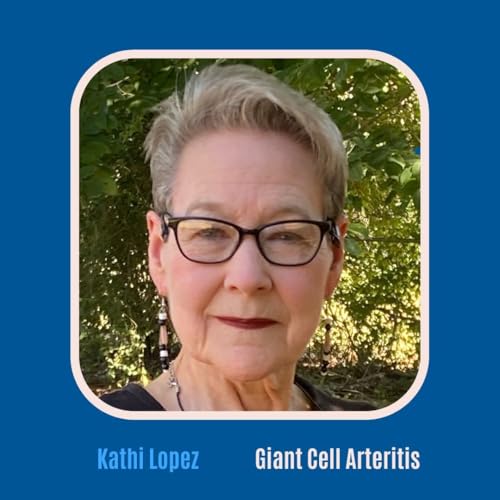
    In this episode of It Happened To Me, we share a story that underscores how quickly life can change, even when everything seems perfectly healthy.

    Our guest, Kathi Lopez, was a retired business owner who felt active, well, and thriving when she suddenly lost vision in one eye. What began as a frightening visual disturbance quickly escalated into a medical emergency and led to a diagnosis of Giant Cell Arteritis (GCA), a serious inflammatory condition that can cause permanent vision loss if not treated immediately. Kathi was also diagnosed with Polymyalgia Rheumatica (PMR), a related autoimmune disease that causes widespread pain, stiffness, and fatigue.

    Kathi has permanently lost vision in her right eye, but she has not lost her voice. In this powerful conversation, she shares what it’s like to go from “healthy” to navigating chronic autoimmune illness, how quickly symptoms can be missed or dismissed, and why awareness of GCA can be life- and vision-saving.

    This episode is an important reminder that listening to your body, and acting quickly, can make all the difference.

    In This Episode, We Discuss:
    • The moment Kathi first noticed something was wrong with her vision
    • Early warning signs of Giant Cell Arteritis, including headaches, jaw pain, fatigue, and body aches
    • How rapidly GCA can progress from subtle symptoms to permanent vision loss
    • Receiving a life-altering diagnosis and processing irreversible vision loss
    • The emotional, psychological, and physical impact of losing sight in one eye
    • Adapting to monocular vision and changes in daily independence
    • Living with both Giant Cell Arteritis and Polymyalgia Rheumatica
    • Treatment approaches and how Kathi’s body responded
    • Where the healthcare system succeeds, and where it can fail patients with rare autoimmune diseases
    • Advice for newly diagnosed patients and what Kathi wishes providers understood
    • A message for anyone who believes, “This could never happen to me”
    Resources Shared by Kathi

    Kathi wanted to share the following practical, evidence-informed strategies for adapting to vision loss in one eye. These resources do not replace medical care but may help support rehabilitation and daily functioning.

    1. Structured Low-Vision Rehabilitation
    • Work with a Certified Vision Rehabilitation Therapist (CVRT) or low-vision occupational therapist
    • Learn techniques for reading, mobility, depth perception, and hand-eye coordination
    • Eccentric viewing training may help maximize use of stronger retinal areas
    1. Monocular Vision Therapy Exercises (Performed with the affected eye covered)
    • Monocular push-ups for focus and accommodation
    • Near-far focusing to improve visual flexibility
    • Brock string or Hart chart exercises for eye movement and coordination
    • Figure-8 eye tracing and directional eye glides
    1. Adaptive Skills Training
    • Tossing and catching a ball to improve spatial judgment
    • Motion-parallax head movements to aid depth perception
    • Practicing scanning toward the blind side when walking or navigating spaces
    1. Assistive Tools
    • Enhanced lighting, contrast markings, magnifiers, and large print
    • Electronic aids such as CCTVs or adaptive visual technology
    1. Expectations & Consistency
    • Adaptation often takes 6–9 months
    • Daily practice (10–20 minutes per exercise) is most effective
    • Patience and self-compassion are essential

    Important: Always consult your ophthalmologist or low-vision specialist before starting any new therapy, especially after GCA.

    Connect With Us

    Stay tuned for the next new episode of “It Happened To Me”! In the meantime, you can listen to our previous episodes on Apple Podcasts, Spotify, streaming on the website, or any other podcast player by searching, “It Happened To Me”.

    “It Happened To Me” is created and hosted by Cathy Gildenhorn and Beth Glassman. DNA Today’s Kira Dineen is our executive producer and marketing lead. Amanda Andreoli is our associate producer. Ashlyn Enokian is our graphic designer.

    See what else we are up to on Twitter, Instagram, Facebook, YouTube and our website, ItHappenedToMePod.com. Questions/inquiries can be sent to ItHappenedToMePod@gmail.com.

    Show more Show less
    38 mins
  • #77 When Chronic Illness Changes the Tune: A Musician’s Journey Through Diabetes and Stroke
    Feb 2 2026

    In this episode of It Happened To Me, we share a powerful story of resilience, creativity, and determination in the face of serious health challenges.

    We’re honored to welcome Carolyn Routh, an award-winning musician, entrepreneur, and front-woman of the acclaimed bluegrass band Nu-Blu. With more than two decades on the road, multiple Billboard Top Ten albums, and appearances on platforms like CBS Sunday Morning, Carolyn has built an extraordinary career in music. What many don’t see is the parallel journey she’s been navigating behind the scenes—living with Type I diabetes and recovering from multiple strokes.

    Carolyn’s health challenges reshaped not only her life, but her art. During her stroke recovery, she taught herself to play bass, reinventing her role in the band and reclaiming her place on stage with a renewed sense of purpose. In this conversation, we explore what it means to pursue a demanding creative career while managing chronic illness, how music can become part of healing, and what resilience really looks like when the unexpected changes everything.

    In This Episode, We Discuss:

    • Carolyn’s early diagnosis with Type I diabetes and how it shaped her life before fame
    • Surviving multiple strokes and the recovery process
    • Learning to play bass as part of rehabilitation and healing
    • Returning to the stage after major health trauma
    • Balancing touring, recording, and performance with ongoing health needs
    • Making career accommodations without giving up on dreams
    • How lived experience influences Nu-Blu’s music
    • Navigating marriage, creativity, and entrepreneurship through serious illness
    • The power of community, music, and perseverance
    • Advice for anyone worried a diagnosis will limit their future

    Resources:

    • Carolyn's Band Nu-Blu
    • BlueGrass Ridge Syndicated TV Show hosted by Carolyn and Daniel Routh
    • FDA Drug Safety Communication: Updated information about the risk of blood clots in women taking birth control pills containing drospirenone (including Yasmin and Yaz)

    Connect With Us:

    Stay tuned for the next new episode of “It Happened To Me”! In the meantime, you can listen to our previous episodes on Apple Podcasts, Spotify, streaming on the website, or any other podcast player by searching, “It Happened To Me”.

    “It Happened To Me” is created and hosted by Cathy Gildenhorn and Beth Glassman. DNA Today’s Kira Dineen is our executive producer and marketing lead. Amanda Andreoli is our associate producer. Ashlyn Enokian is our graphic designer.

    See what else we are up to on Twitter, Instagram, Facebook, YouTube and our website, ItHappenedToMePod.com. Questions/inquiries can be sent to ItHappenedToMePod@gmail.com.

    Show more Show less
    47 mins
  • #76 When Pain Never Stops: A Survivor’s Story of Chronic Pain and Hope
    Jan 19 2026

    In this deeply moving episode we explore the reality of chronic pain, the kind that reshapes identity, erodes independence, and too often leaves patients feeling invisible within the healthcare system.

    Joining us is Meredith Mangold, an inflammatory bowel disease and chronic pain patient advocate whose medical journey began in college and evolved into years of relentless, life-altering pain. Meredith lives with ulcerative colitis, chronic abdominal and pelvic pain, and a constellation of overlapping medical conditions that left her bedbound for years and searching desperately for answers.

    As a college student, Meredith landed in the ICU with toxic megacolon, a rare and life-threatening complication of inflammatory bowel disease. What followed were multiple major surgeries, escalating pain, and an exhausting cycle of treatments, including opioids, ketamine, spinal cord stimulation, and repeated detox attempts, none of which provided lasting relief. At her lowest point, Meredith’s pain hovered at an 8 out of 10 daily, her world narrowed to her bed and doctors’ appointments, and hope felt out of reach.

    In this conversation, Meredith courageously shares what it’s like to live with unrelenting pain, the emotional toll of medical trauma, and the devastating impact chronic illness can have on mental health, identity, and self-worth. She also opens up about medical dismissal, the difficulty of managing multiple diagnoses, and the isolation that so many chronic pain patients quietly endure.

    After years of setbacks, Meredith found a turning point through a personalized, multidisciplinary approach to pain management, one that treated her as a whole person, not just a diagnosis. While her pain hasn’t disappeared, it has become more manageable, allowing her to reclaim pieces of her life she once believed were gone forever.

    Today, Meredith is the founder of Empower Health Strategies, where she uses her lived experience to help healthcare organizations and digital health companies build more patient-centered solutions. Her story is a powerful reminder that progress doesn’t always mean being pain-free, sometimes it means being heard, believed, and given the chance to rebuild.

    In this episode, we discuss:
    • What toxic megacolon is and why it’s so dangerous
    • The physical and emotional realities of being bedbound with chronic pain
    • Medical gaslighting, misdiagnosis, and navigating overlapping conditions
    • The toll of long-term opioid use and repeated detox attempts
    • How unmanaged pain contributes to depression, anxiety, and medical PTSD
    • What changed when Meredith finally found a care team with “more ideas”
    • How lived experience can become a powerful form of advocacy
    • A message of hope for anyone who feels they’ve reached the end of the road

    This episode is for anyone living with chronic pain, loving someone who is, or working in healthcare and seeking to better understand the human cost of untreated and misunderstood pain.

    Meredith, thank you for your honesty, vulnerability, and advocacy. Your story gives voice to so many who are still struggling, and reminds us all that healing can take many forms.

    During the episode we mentioned Hopkins Medicine’s spotlight on Meredith and a previous episode of It Happened To Me, #40 Overcoming Crohn’s Through Pilates with Ryan Hodgkinson.

    Connect With Us:

    Stay tuned for the next new episode of “It Happened To Me”! In the meantime, you can listen to our previous episodes on Apple Podcasts, Spotify, streaming on the website, or any other podcast player by searching, “It Happened To Me”.

    “It Happened To Me” is created and hosted by Cathy Gildenhorn and Beth Glassman. DNA Today’s Kira Dineen is our executive producer and marketing lead. Amanda Andreoli is our associate producer. Ashlyn Enokian is our graphic designer.

    See what else we are up to on Twitter, Instagram, Facebook, YouTube and our website, ItHappenedToMePod.com. Questions/inquiries can be sent to ItHappenedToMePod@gmail.com.

    Show more Show less
    41 mins
  • #75 Genetic Testing for Rare Diseases with Amy Patterson
    Jan 5 2026

    Happy New Year listeners! We hope you enjoyed the holidays and are off to a wonderful start of 2026!

    The last episode we released featured our Executive Producer Kira Dineen putting on her genetic counseling hat to explore how genetic counselors can help those in the rare disease community. With how much you all enjoyed that “blast from the past” episode, we thought we would bring you one more before our new episodes of 2026 kick off.

    So we are continuing on the topic of rare diseases genetics, and revisiting our episode with Amy Patterson, who is a genetic counselor as well. In this conversation she shares with Cathy and Beth about genetic screening and testing available for rare diseases including her speciality of skeletal dysplasia.

    Genetic Counselor Amy Patterson shares about genetic screening and testing available for rare disease including her speciality of skeletal dysplasias.

    Amy Patterson (she/her) is a licensed pediatric and adult genetic counselor in the Johns Hopkins Department of Genetic Medicine. She primarily works with patients in the Greenberg Center for Skeletal Dysplasias as well as the General Genetics clinic. Especially in the skeletal dysplasia space, Amy works to promote a holistic patient experience, including psychosocial counseling, connection with patient advocacy groups, informed consent, genetic testing and interpretation of results, coordination of care, and discussion of research options. Amy was a LEND Fellow and graduated from the Boston University Genetic Counseling program in 2021. She has focused much of her research and clinical work on the intersection of rare conditions, disability, and patient advocacy.

    Amy initially started advocating in the rare disease space due to her best friend’s sibling’s rare genetic disorder, Congenital Hyperinsulinism. We actually interview their mother on Episode 37 of It Happened To Me. As a high schooler, Amy started educating their peers and community about rare disease on Rare Disease Day every year. After moving to Boston, she started volunteering at a Community Engagement Liaison for the Rare Action Network (RAN), the advocacy branch of NORD, then became the RAN Massachusetts State Ambassador. Through this work, she started putting on Rare Disease Day events at Boston Children's Hospital, and now at Johns Hopkins Hospital as a genetic counselor. Rare Disease Day allows all rare disease stakeholders to come together to share their experiences and continue to learn. Amy is passionate about this global effort to raise awareness and advocate for improved quality of life, diagnosis, and access to care for Rare patients and families.

    Want to listen to our other episodes with genetic counselors?

    In Episode 4, our Executive Producer, Kira Dineen, who is also a genetic counselor, shares how genetic counselors can help people navigate having a rare disease.

    In Episode 7, Genetic Counselor Karen Grinzaid explains prenatal and cancer genetic testing. Kira also joins as a guest host since this is her area of expertise.

    Want to speak to a genetic counselor? Find one in your area via FindAGeneticCounselor.org.

    Stay tuned for the next new episode of “It Happened To Me”! In the meantime, you can listen to our previous episodes on Apple Podcasts, Spotify, streaming on the website, or any other podcast player by searching, “It Happened To Me”.

    “It Happened To Me” is created and hosted by Cathy Gildenhorn and Beth Glassman. DNA Today’s Kira Dineen is our executive producer and marketing lead. Amanda Andreoli is our associate producer. Ashlyn Enokian is our graphic designer.

    See what else we are up to on Twitter, Instagram, Facebook, YouTube and our website, ItHappenedToMePod.com. Questions/inquiries can be sent to ItHappenedToMePod@gmail.com.

    Show more Show less
    43 mins
  • #74 Genetic Counseling for Rare Diseases with Kira Dineen [Re-Release]
    Dec 15 2025

    Happy holidays listeners! With the year coming to an end, Cathy Gildenhorn, Beth Glassman, and our Executive Producer Kira Dineen have been reflecting back on a full three years of “It Happened To Me”. We’ve produced nearly 75 episodes and learned so much along the way. A good chunk of them have been exploring rare diseases and hearing people’s journeys from early symptoms, to diagnosis, to treatment, and beyond. With this in mind, we want to revisit an episode that takes a more macro view on rare diseases.

    If you're a long time listener of the show, you may know Kira Dineen is not only produces the show, but is also a practicing genetic counselor, so we thought it would be interesting to bring her in front of the mic in this episode to talk about how genetic counselors can help those in the rare disease community.

    Genetic Counselor, and our podcast co-producer, Kira Dineen shares her insight on when to pursue genetic counseling and how genetic counselors can help people in the rare disease community.

    Co-producer Kira Dineen, MS, LCGC, CG(ASCP)CM has over a decade of podcast experience fueled by a passion for science communication. She has hosted and produced 7 podcasts. Her multi-award winning podcast, "DNA Today", is in the top 1% of podcasts globally. She was accepted into The Podcast Academy and has served as a Blue Ribbon Panelist for The Ambies. Kira received her Diagnostic Genetic Bachelor’s of Science degree at the University of Connecticut and is a certified Cytogenetic Technologist. She received her Master’s of Science in Human Genetics at Sarah Lawrence College in New York and is a licensed certified genetic counselor currently practicing in Connecticut.

    On This Episode We Answer:

    • When should a person or couple consider genetic counseling?

    • Is a referral required to see a genetic counselor?

    • Does insurance cover genetic counseling for this?

    • Is genetic testing done before the visit?

    • How many visits are we talking about?

    • Do you ever suggest adoption as an option? When?

    • How do you help people with genetic conditions?

    • Why get tested at all?

    • What have you learned from interviews with patients and rare disease advocates?

    • Do you recommend joining rare disease advocacy groups?

    • Why study rare diseases?

    • What is CRISPR? How could this help treat…or even cure…genetic conditions?

    • You produce a rare disease podcast that focuses on nano rare diseases. What’s a nano-rare disease?

    Stay tuned for the next new episode of It Happened To Me! In the meantime, you can listen to our previous episodes on Apple Podcasts, Spotify, streaming on the website, or any other podcast player by searching, “It Happened To Me”.

    It Happened To Me is created and hosted by Cathy Gildenhorn and Beth Glassman. Steve Holsonback is our media engineer and co-producer. DNA Today’s Kira Dineen is our marketing lead and co-producer. Ashlyn Enokian is our graphic designer.

    See what else we are up to on Twitter, Instagram, Facebook, YouTube and our website, ItHappenedToMePod.com. Questions/inquiries can be sent to ItHappenedToMePod@gmail.com.

    Show more Show less
    32 mins