• TobaccoAsia/ InterTabac Podcast #53
    Apr 2 2026
    In this episode, Thomas Schmid speaks with developmental neurobiologist Dr. Charles A. Gardner about the demonization of nicotine. Gardner explains that nicotine has been wrongly conflated with tobacco and smoking, leading to widespread misinformation — including 80% of US physicians falsely believing nicotine causes cancer. Gardner argues that safer alternatives like vapes, pouches, and snus are vital harm reduction tools, yet prohibitionist policies often ban them while leaving deadly cigarettes legal. Prohibition, he notes, drives products underground and worsens outcomes. Gardner also highlights nicotine's potential health benefits: helping prevent Parkinson's and Alzheimer's, reducing symptoms of ADHD, Tourette’s syndrome, BPD, and schizophrenia, improving focus, and decreasing anxiety. To shift public perception, he advocates amplifying voices of older ex-smokers who quit cigarettes by using reduced risk products, echoing strategies from cannabis activism. His core message: nicotine is not the enemy — preventable deaths from combustible cigarettes are. Policy should prioritize harm reduction over demonizing a molecule.
    Show more Show less
    26 mins
  • TobaccoAsia/ InterTabac Podcast #52
    Mar 2 2026
    Thomas Schmid interviews Waqas Khan, global CEO of Clew, discussing how the nicotine pouch brand became the world's third-largest by distribution in just two and a half years. Khan attributes this rapid success to building a complete manufacturing ecosystem with pharma-grade facilities and prioritizing quality over cost. The brand has launched in 50 countries across five regional hubs, customizing products for local taste preferences. A major achievement has been penetrating the travel retail sector, with Clew now present in over 15 duty-free locations worldwide. Khan explains how the brand pioneered nicotine pouch listings in challenging markets like Thailand by working directly with regulators and demonstrating FDA authorization. The conversation also covers recent expansions into Colombia, Sweden, Morocco, and the Philippines, plus insights on navigating complex regulatory environments in markets like Japan and China's evolving nicotine regulations.
    Show more Show less
    22 mins
  • TobaccoAsia/ InterTabac Podcast #51
    Jan 29 2026
    In this episode, Thomas Schmid interviews Dr. Allen Liao, founder of Tobacco China Online, about China's groundbreaking regulations on oral nicotine products that took effect in January 2025. The new framework—covering everything from nicotine pouches to nicotine patches—came with no transition period, catching many smaller manufacturers off guard. Liao explains why the government moved so swiftly, how the rules will reshape the entire supply chain, and what it means for local companies. While some businesses may face closure or consider relocating their production overseas, Liao assures that this is not the end of China’s oral nicotine sector. Far from it. The bulk of suppliers and manufacturers will see this as an opportunity in a standardized, fully regulated market.
    Show more Show less
    20 mins
  • TobaccoAsia/ InterTabac Podcast #50
    Jan 12 2026
    Thomas Schmid interviews Shem Baldeosingh, the director of the Global Institute for Novel Nicotine (GINN). Shem discusses GINN’s foundation in 2024, its mission to promote safer nicotine products, and its evolution into a structured organization with global influence. He highlights GINN’s advocacy for non-combustible and non-vaping products like oral nicotine pouches and mentions significant markets including Spain and Saudi Arabia. The discussion also covers regulatory challenges, regional dynamics, and future opportunities in Asia and indeed around the world, emphasizing the importance of standards, regulatory engagement, and consumer protection. Shem addresses innovations in nicotine delivery formats and urges policy makers and industry leaders to anchor decisions in comparative risk and consumer behavior data to build trust and credibility in the emerging nicotine sector.
    Show more Show less
    20 mins
  • TobaccoAsia/ InterTabac Podcast #49
    Dec 17 2025
    Thomas Schmid interviews Marcelo Marques, General Manager of B2B Tobacco Processing in Brazil. The discussion covers the current state and outlook of the Brazilian tobacco industry, focusing on expected crop shortages, especially in Burley tobacco, due to climate and market factors. Marcelo explains that while Burley will be in shorter supply, Virginia tobacco quality and volume should remain stable. The conversation also addresses price fluctuations, the impact of previous climate disasters, and the dynamics of stock and demand in the market. Marcelo introduces his company, B2B Tobacco Processing, highlighting its rapid growth and its focus on quality and expansion in both domestic and export markets. He highlights challenges such as currency instability, competition, and the importance of reputation in the industry. The company’s export markets include the United States, Indonesia, South America, and parts of Europe. Marcelo emphasizes the company’s strategy of reinvesting profits, building customer trust, and sourcing tobacco directly from farmers to meet specific quality requirements. The interview concludes with optimism about the future of B2B Tobacco Processing and the Brazilian tobacco market, despite ongoing challenges.
    Show more Show less
    26 mins
  • TobaccoAsia/ InterTabac Podcast #48
    Nov 18 2025
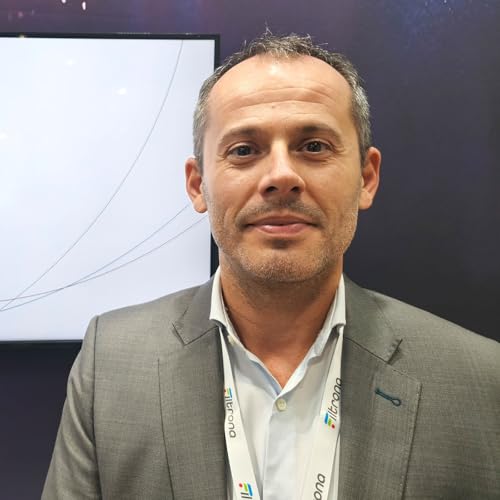
    In this episode, Hugo Azinheira of Filtrona discusses with host Thomas Schmid the company’s pioneering work in sustainable, plastic-free filters for the tobacco industry. Driven by the EU’s Single Use Plastics Directive (EUSUPD), Filtrona invested in R&D to launch the ECO range of biodegradable filters, using both new and historical materials. The conversation highlights how regulatory changes have spurred industry demand for sustainable solutions and how Filtrona’s innovation center in Indonesia accelerates product development and customer collaboration. Hugo also outlines Filtrona’s ambitious ESG goals, including carbon neutrality by 2040 and net zero emissions by 2050, and notes the company’s remarkable achievements in reducing emissions and waste. The episode emphasizes the importance of industry-wide cooperation and Filtrona’s commitment to embedding ESG values throughout its operations, positioning the company as a leader in the transition to sustainable filter solutions.
    Show more Show less
    24 mins
  • TobaccoAsia/ InterTabac Podcast #47
    Aug 29 2025
    Altria has launched the "Connect and Transform" initiative to accelerate its shift away from traditional tobacco products and drive innovation by connecting with external partners. Wael Safi, Altria’s Managing Director of Open Innovation and Venture Growth, explains that the program is designed to identify company needs, connect with outside experts, startups, and inventors, and bring in new capabilities to transform the business. The initiative stands out for its intentional approach: Altria clearly defines its needs through "needs briefs," actively seeks out relevant partners, and maintains ongoing relationships even if there isn’t an immediate fit. Success stories include leveraging AI to speed up concept validation, resulting in faster and more cost-effective innovation. To get involved, interested parties can visit Altria’s website, review the needs briefs, and submit a non-confidential pitch or concept outline that demonstrates their capability and relevance to Altria’s needs. Aiming for a win-win partnership, the program is open to a wide range of collaborators, but emphasizes the importance of practical, demonstrable solutions over just ideas.
    Show more Show less
    18 mins
  • TobaccoAsia/ InterTabac Podcast #46
    Aug 20 2025
    Thomas Schmid interviews Jordan Herring, CEO of Hidden Valley Genetics, discussing the rapid changes in Thailand’s cannabis laws. In 2022, Thailand became the first Asian country to legalize cannabis, creating a booming industry but with little regulatory framework. In June 2025, the government reversed course, making recreational use illegal again and restricting cannabis to medical use only, which now requires medical prescriptions and on-site doctors at dispensaries. The interview highlights the economic, legal, and social consequences of these policy shifts, the struggles of small business owners, and the ongoing adaptation of the industry to new regulations. Delving deep, Jordan explains the real-life impact on the industry, especially small dispensaries unable to afford medical staff, leading to thousands of closures. The conversation covers the challenges of compliance, the effect on local and export markets, and the persistence of a black market. Jordan also details his involvement with THIPA, an industry group that helped shape new regulations and secure Thailand’s status as a legal exporter of medical cannabis.
    Show more Show less
    25 mins