• Healing ❤️‍🩹 the hidden wounds | The Restored Heart Collective - S.O.S. #264
    Apr 17 2026

    Let us know what you think of the show and what we can do better!

    The biggest military homecoming videos end with hugs and banners, but a lot of families know the harder chapter starts after the uniforms are folded and the photos stop. We sit down with Cathy Turner and Jackie Voytak, founders of the Restored Heart Collective, to talk about what reintegration really looks like when the spouse is quietly carrying anxiety, loneliness, and the constant pressure to keep everything functioning.

    We trace both of their paths through military life: learning the culture as an outsider, navigating officer spouse expectations, dealing with unspoken rank boundaries, and the slow drift of putting your own needs last while trying to “support” a partner through PTSD and post-deployment stress. Then we dig into what actually helped, from intimate retreat spaces to nervous system practices like breathwork, meditation, journaling, yoga, sauna, and cold plunge. The point isn’t trends or buzzwords, it’s reclaiming stability and identity so the whole household can breathe again.

    You’ll also hear how they turned one powerful retreat experience into a spouse-only 501(c)(3), why they chose the name Restored Heart Collective (inspired by kintsugi), and how their model builds community before and after a weekend retreat with structured Zoom calls and year-long follow-up. If you care about military spouse mental health, family readiness, and real-world healing support, this conversation offers a clear blueprint for what’s been missing.

    Subscribe for more Stories of Service, share this with someone who needs it, and leave a review telling us what kind of support military spouses should have had all along.

    Support the show

    Visit my website: https://thehello.llc/THERESACARPENTER
    Read my writings on my blog: https://www.theresatapestries.com/
    Listen to other episodes on my podcast: https://storiesofservice.buzzsprout.com
    Watch episodes of my podcast:
    https://www.youtube.com/c/TheresaCarpenter76


    Show more Show less
    43 mins
  • Command in Crisis: Thomas B. Modly | S.O.S. #263
    Apr 14 2026

    Let us know what you think of the show and what we can do better!

    A single bad week can define a leader, especially when the whole country is watching and the information is incomplete. Former acting Secretary of the Navy Thomas Modly joins us for a candid, detailed conversation about what it’s like to make consequential decisions at the highest levels of Navy leadership and the Department of Defense, then live with the second-guessing long after the moment has passed.

    We start with his Cleveland upbringing as the child of Eastern European immigrants, his path through the Naval Academy, and a career that blends military aviation, teaching, business leadership, and Pentagon service. From there, we get practical about change management inside enormous institutions: why bureaucracy resists innovation, how priorities vanish after leadership turnover, and why he believes longer terms for service secretaries could help sustain real defense reform. We also talk about military due process and what the Gallagher case revealed to him about investigative assumptions and the need for specialized expertise in laws of armed conflict cases.

    Then we go to the most scrutinized moment: the USS Theodore Roosevelt COVID-19 outbreak. Modly explains how he processed risk, command breakdowns, crisis communication, and accountability, including the decision to relieve Captain Crozier and what he wishes he could have done differently face to face with the crew. We close with a clear-eyed look at naval strategy and shipbuilding, including what the 355-ship goal actually measures, why industrial base capacity matters more than slogans, and how workforce shortages can become a national security constraint.

    If you value thoughtful leadership lessons, Navy history that’s still unfolding, and honest reflection without the partisan filter, subscribe, share this conversation, and leave a review so more listeners can find Stories of Service.

    Stories of Service presents guests’ stories and opinions in their own words, reflecting their personal experiences and perspectives. While shared respectfully and authentically, the podcast does not independently verify all statements. Views expressed are those of the guests and do not necessarily reflect the host, producers, government agencies, or podcast affiliates.

    Support the show

    Visit my website: https://thehello.llc/THERESACARPENTER
    Read my writings on my blog: https://www.theresatapestries.com/
    Listen to other episodes on my podcast: https://storiesofservice.buzzsprout.com
    Watch episodes of my podcast:
    https://www.youtube.com/c/TheresaCarpenter76


    Show more Show less
    1 hr and 10 mins
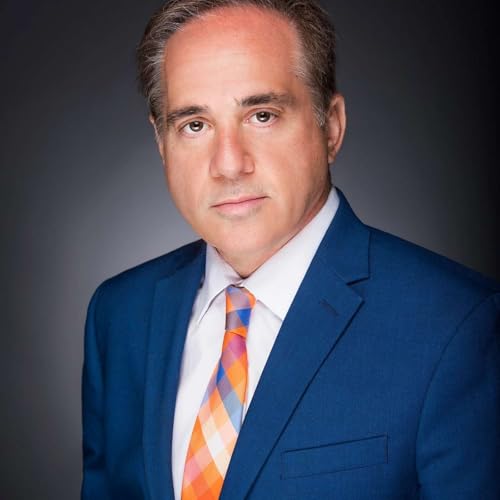
  • Inside the VA: Former Secretary Dr. David Shulkin on Leadership, Politics, and Fighting for Veterans | S.O.S. #262
    Apr 10 2026

    Let us know what you think of the show and what we can do better!

    The VA isn’t just a healthcare system. It’s a national promise that follows service members from the day they leave uniform through specialty care, benefits decisions, and finally a dignified burial with perpetual care. I sat down with the Honorable Dr. David J. Shulkin, the ninth Secretary of Veterans Affairs, to talk about what it’s like to carry that responsibility at scale and to lead through the kind of pressure most leaders never face.

    We get into the VA wait time crisis and the leadership moves required to fix access fast, including why clear priorities beat endless consensus when delays can become life-or-death. Dr. Shulkin also shares the moment early in his VA tenure that changed how he saw the mission: some veterans need a system built for complex behavioral health, substance use treatment, rehabilitation, and service-connected injuries that the private sector often isn’t structured to handle. That’s why he argues against full VA privatization and for a hybrid model that protects VA expertise while using community care when it truly helps veterans.

    We also tackle veterans benefits and disability claims, including why “fraud” is often a predictable outcome of a complex, adversarial process that forces veterans to prove what the government should already know. We talk DD214 barriers, classified service documentation, and why a unified DoD and VA electronic health record could remove huge friction for veterans navigating VA healthcare and VA benefits. Finally, we discuss public accountability, media transparency, leadership stability, and why memorial affairs is an overlooked part of what makes the VA unique.

    If you care about VA reform, veteran care, disability claims, or the future of community care, hit play, share this conversation with someone who needs it, and subscribe so you don’t miss what’s next. After listening, will you argue for a stronger VA, a bigger private-sector role, or a true hybrid system?

    Stories of Service presents guests’ stories and opinions in their own words, reflecting their personal experiences and perspectives. While shared respectfully and authentically, the podcast does not independently verify all statements. Views expressed are those of the guests and do not necessarily re

    Support the show

    Visit my website: https://thehello.llc/THERESACARPENTER
    Read my writings on my blog: https://www.theresatapestries.com/
    Listen to other episodes on my podcast: https://storiesofservice.buzzsprout.com
    Watch episodes of my podcast:
    https://www.youtube.com/c/TheresaCarpenter76


    Show more Show less
    58 mins
  • From Trauma to Power: How an Infantry Officer Rebuilt Her Mind and Body | Riley A. Gruppo S.O.S. #261
    Apr 4 2026

    Let us know what you think of the show and what we can do better!

    The loudest arguments about women in combat usually skip the only thing that matters: what it looks like on the ground when you are the one carrying the ruck, enforcing standards, and trying to stay safe inside a broken system. I’m joined by Riley Grupo, an Army officer who served in an infantry role and isn’t afraid to answer the question everyone dodges, “Were the standards lowered?” From the grenade toss to night missions on little sleep, Riley explains what was hard, what was fair, and where the pressure actually comes from.

    We also go where most conversations stop. Riley shares what she faced before formal infantry qualification training, including harassment and assault, and we talk about how leadership and accountability either protect people or quietly reward the worst behavior. Then we dig into the practical side of combat arms integration that affects readiness for everyone: plate carriers and rucks that do not fit, preventable injuries, and the lack of transparent long-term data. If you care about military standards, women in the infantry, combat arms readiness, and real solutions beyond politics, this is the nuanced middle-ground discussion we keep asking for.

    The second half shifts toward healing and rebuilding after service. Riley opens up about a recent traumatic brain injury discovery, how symptoms can overlap with PTSD, and a skiing and snowboarding program that produced measurable improvements in days. We close with what she’s building now, The Standard, a mind body mission framework for veterans, leaders, and high performers who want to close the gap between potential and execution.

    Subscribe for more honest stories, share this with someone who cares about military culture, and leave a review with your take: what needs to change first to make standards and safety coexist?

    Support the show

    Visit my website: https://thehello.llc/THERESACARPENTER
    Read my writings on my blog: https://www.theresatapestries.com/
    Listen to other episodes on my podcast: https://storiesofservice.buzzsprout.com
    Watch episodes of my podcast:
    https://www.youtube.com/c/TheresaCarpenter76


    Show more Show less
    57 mins
  • From Battlefield to Ballot Box | Dr. Trei McMullen S.O.S. #260
    Mar 17 2026

    Let us know what you think of the show and what we can do better!

    A combat veteran can plan operations under pressure and still feel completely unprepared for the moment the uniform comes off. That tension sits at the center of my conversation with Trey McMullen, a U.S. Army combat veteran, former counterintelligence agent with 7th Special Forces Group support elements, entrepreneur, and candidate for the Florida House of Representatives in the Pensacola area.

    We start with Trey’s roots outside Cleveland and the way September 11 reshaped his sense of duty, then move into what military leadership really teaches you: how bad leaders warn you, how good leaders stretch you, and how great leaders push you past what you thought you could do. Trey also shares the reality of a service-related medical crisis and what it means to be medically retired when you still feel ready to serve.

    From there, the conversation turns practical and personal: the brutal “door shut” feeling during military transition, the scramble to find work, and why he chose contracting and veteran entrepreneurship to keep a mission and build jobs. Trey explains what campaigning is actually like in a grassroots race, why fundraising can distort priorities, and how dark money and constant financial pressure can steer politics away from voters.

    We also dig into the issues he hears every day in his district: child safety and school security, underemployment, water quality and agriculture, plus strong support for veterans and first responders. Trey closes with blunt advice on the VA, accountability, and why veterans have to share benefits and transition knowledge instead of guarding it.

    If you care about veterans in politics, civic leadership, Florida elections, or building safer local communities, you’ll get a lot out of this one. Subscribe, share this with a friend who should run for office, and leave us a review with the local issue you want leaders to tackle next.

    Support the show

    Visit my website: https://thehello.llc/THERESACARPENTER
    Read my writings on my blog: https://www.theresatapestries.com/
    Listen to other episodes on my podcast: https://storiesofservice.buzzsprout.com
    Watch episodes of my podcast:
    https://www.youtube.com/c/TheresaCarpenter76


    Show more Show less
    56 mins
  • My Son Said No! | Grieving Army Dad Speaks Out - S.O.S. #259
    Mar 6 2026

    Let us know what you think of the show and what we can do better!

    A 24-year Army veteran races 28 hours to his soldier son’s bedside and steps into a maze of tests, policies, and a life-or-death decision he never agreed to. Eddie Peoples recounts the night an apnea test was called “inconclusive,” the promised blood-flow study was dropped, and a brain death declaration arrived anyway—followed by a “family advocate” carrying a donor registry printout the family says does not reflect Keone’s wishes.

    We walk through the ICU timeline in detail: early assurances that injuries looked survivable, abrupt scheduling and cancellations of critical exams, and the moment consent became the central battle. Eddie lays out why the family opposes organ donation on religious grounds, how two government IDs showed no donor designation, and why a no-signature, shifting-date registry record raised alarms. Along the way, we unpack how hospitals coordinate with organ procurement organizations, where state rules mandate notification, and why families so often feel the process becomes unstoppable once “donor” appears on a chart.

    This conversation goes beyond one case to surface the bigger issues: the ethics of brain death determinations under time pressure, the reliability of online donor registries, and the need for clear, verifiable consent. We share practical steps to protect your choices—advance directives, named proxies, consistent updates across DMV, military, and VA systems, and a dated video statement your family can present if records conflict. Whether you support organ donation or question its current safeguards, this story asks for transparency, accountability, and respect for patient autonomy when it matters most.

    If this moved you, subscribe, share with someone who needs it, and leave a review with your takeaways. Your voice can help more families document their wishes and avoid preventable turmoil.

    Support the show

    Visit my website: https://thehello.llc/THERESACARPENTER
    Read my writings on my blog: https://www.theresatapestries.com/
    Listen to other episodes on my podcast: https://storiesofservice.buzzsprout.com
    Watch episodes of my podcast:
    https://www.youtube.com/c/TheresaCarpenter76


    Show more Show less
    1 hr and 2 mins
  • Benefit or Betrayal | Jane Babcock S.O.S. #258
    Feb 27 2026

    Let us know what you think of the show and what we can do better!

    Are veterans gaming the system, or are we trapped in a shallow debate that ignores the law, the medicine, and the lived reality of service? We dig into the difference between media narratives and VA standards with guest Jane Babcock—Army and Army Reserve retiree, former accredited county veteran service officer, and a relentless advocate who’s helped file over 1,200 claims.

    We start by clarifying what disability compensation really is: payment for lost earning capacity tied to service-connected conditions, not a ban on work. From there, we break down presumptive conditions like ALS, the overlooked wartime pension, and why “equipoise” requires raters to side with veterans when evidence is evenly balanced. Jane shares a powerful case where MOS duties and OSHA data linked a young non-smoker’s aggressive cancer to specific chemical exposure, proving how targeted research can win tough claims.

    The conversation then tackles the now-rescinded proposal to rate disabilities in a medicated state. We explain why symptom control isn’t cure, how such a rule would punish adherence and invite churn, and how courts have already affirmed ratings must reflect unmedicated baselines. On mental health, we draw the line between stabilization and recovery, outline practical steps to secure DSM-5 diagnoses with Vet Center counseling and VA psychiatry, and stress the power of detailed buddy statements for incidents that never made it into records.

    We also spotlight the structural mess: VHA, VBA, and cemetery services run on different rails; community and contracted care don’t always flow back; and older records can disappear. The fix on the veteran side is ownership—gather civilian files, align diagnoses to rating codes, and work with an accredited VSO who can flag special monthly compensation, aid and attendance, and survivor benefits. Even with OTH discharges, VA adjudication can reopen doors when the facts support service connection.

    If this conversation helps you or someone you love, share it with a fellow vet, subscribe for more candid guides, and leave a review so others can find it. Your voice keeps this community sharp, informed, and hard to ignore.

    Support the show

    Visit my website: https://thehello.llc/THERESACARPENTER
    Read my writings on my blog: https://www.theresatapestries.com/
    Listen to other episodes on my podcast: https://storiesofservice.buzzsprout.com
    Watch episodes of my podcast:
    https://www.youtube.com/c/TheresaCarpenter76


    Show more Show less
    1 hr and 9 mins
  • War, Media and a 25 Million Lawsuit | Anti-Hero Broadcast Founder Tyler Hoover S.O.S. #257
    Feb 25 2026

    Let us know what you think of the show and what we can do better!

    What happens when a combat paratrooper-turned-cop builds a media platform, challenges a celebrated story, and gets hit with a $25 million lawsuit? We sit down with Tyler Hoover, founder of the Anti-Hero Broadcast and Counterculture Inc., to unpack the messy collision of free speech, celebrity culture, and the legal machine designed to make critics go quiet. Tyler’s journey from Baghdad to the beat to the studio reveals why so many veterans gravitate to blunt talk and dark humor—and why that candor draws fire when it targets revered narratives.

    We dig into the contradictions of modern conflict and public memory: how disbanded armies, proxy incentives, and political timing shaped the Iraq War he lived through, and how those lessons now inform his refusal to accept curated hero myths at face value. Tyler breaks down the policing incentives that erode community trust, the analytics that drive behavior on the street, and the moment he realized his voice fit better behind a mic than behind a badge. That voice built a “99 percent” community—service members and first responders who don’t trend on thumbnails but carry stories worth hearing.

    Then we tackle lawfare. Tyler explains how an LLC won’t shield you from defamation suits, why venue shopping matters, and how anti-SLAPP provisions can flip the pressure back when lawsuits aim to silence speech. He also shares the unglamorous reality: legal fees up front, years of motions, and the stress that tries to break creators long before any verdict. Instead of folding, he leans into transparency, analyzing public contradictions, and turning the case into lessons for anyone building an independent platform.

    Along the way, we wrestle with culture-war flashpoints—gender in combat arms, the trans debate’s policy stakes, and the cost of enforcing orthodoxy over biology—to ask a harder question: who owns the narrative when truth collides with power, money, and fame? If you value plain speech, thick skin, and communities that argue in good faith, you’ll find a lot to chew on.

    If this conversation resonates, follow the show, share it with a friend who loves honest talk, and leave a review with your biggest takeaway—we read every one.

    Support the show

    Visit my website: https://thehello.llc/THERESACARPENTER
    Read my writings on my blog: https://www.theresatapestries.com/
    Listen to other episodes on my podcast: https://storiesofservice.buzzsprout.com
    Watch episodes of my podcast:
    https://www.youtube.com/c/TheresaCarpenter76


    Show more Show less
    1 hr and 8 mins