• Understanding Cancer Disparities, Mistrust, and Access to Care
    Apr 21 2026

    In this episode of MD Newsline, Dr. Jordonna Brown, a medical oncologist at Kings County Hospital in New York City, shares her frontline experience caring for patients in a safety-net hospital setting. Speaking from the San Antonio Breast Cancer Symposium (SABCS), Dr. Brown discusses cancer disparities, late-stage presentation, mistrust in the healthcare system, and the evolving landscape of breast cancer treatment.

    She offers a candid look at the social determinants of health shaping patient outcomes—from delayed screening and misconceptions about chemotherapy to barriers in long-term adherence and clinical trial participation.

    Episode Highlights:

    Late-Stage Presentation and Screening Gaps
    Dr. Brown highlights a concerning trend: many patients present with advanced-stage breast cancer due to missed routine mammograms. Barriers include misconceptions about radiation exposure, fear of pain, religious beliefs, and lack of awareness about updated screening guidelines starting at age 40.

    Mistrust and Chemotherapy Misconceptions
    One of the most persistent challenges is distrust in the medical system. Patients often fear that chemotherapy may be more harmful than beneficial. Dr. Brown emphasizes the importance of patient-centered communication, empathy, and transparent education to build trust and empower informed decisions.

    Younger Patients and Aggressive Disease
    Breast and colon cancers are increasingly diagnosed in younger populations. In women under 40, breast cancer often demonstrates more aggressive tumor biology. Younger patients also face unique psychosocial challenges, including body image concerns, fertility considerations, career disruptions, and adherence to long-term maintenance therapy.

    Socioeconomic Barriers and Access to Care
    Financial instability, employment loss, transportation issues, and food insecurity can significantly impact adherence and long-term outcomes. Dr. Brown discusses how institutional support—such as social services, transportation programs, counseling, and food banks—helps mitigate these barriers.

    Clinical Trials and Underrepresentation
    Dr. Brown notes persistent skepticism around clinical trials among underrepresented communities. She underscores the need for improved education, emphasizing that today's standard treatments are the result of prior clinical trials—and that participation advances care for future generations.

    Emerging Therapies and Personalized Medicine
    At SABCS, Dr. Brown was encouraged by advances in early-stage hormone-positive breast cancer, including new selective estrogen receptor degraders (SERDs) such as giredestrant, which may offer improved tolerability compared to traditional endocrine therapies. She also discusses the growing role of artificial intelligence in shaping cancer care and the importance of ensuring diverse data representation in AI-driven tools.

    Mental Health and Survivorship
    The emotional and social impact of a cancer diagnosis often extends beyond treatment. Family dynamics, job security, and mental health are frequently under-addressed areas. Dr. Brown advocates for integrated palliative care, psychotherapy services, and survivorship groups to support patients holistically.

    Key Takeaway

    Addressing breast cancer disparities requires more than medical innovation—it demands trust-building, education, equitable access, and culturally sensitive communication. By partnering with patients, improving representation in clinical research, and strengthening community-based support systems, clinicians can meaningfully improve outcomes across diverse populations.

    Resources:

    Website: https://mdnewsline.com/
    Newsletter: https://mdnewsline.com/subscribe/

    Contact with Dr. Jordonna Brown: Here

    Show more Show less
    21 mins
  • Inflammation and Resistance in MDS & AML: Targeting the JAK-STAT Axis
    Apr 14 2026

    In this episode of MD Newsline, Dr. Theodoros Karantanos, Assistant Professor of Medical Oncology at the Johns Hopkins University Sidney Kimmel Cancer Center, discusses the emerging role of inflammatory signaling in high-risk myelodysplastic syndrome (MDS) and acute myeloid leukemia (AML).

    Dr. Karantanos shares insights from his laboratory research exploring how inflammatory pathways—particularly interferon gamma and JAK-STAT signaling—contribute to treatment resistance, including resistance to venetoclax. He also highlights the impact of TP53 mutations, bone marrow microenvironment dynamics, and post-translational modifications in shaping disease progression and therapeutic response.

    Episode Highlights:

    Inflammatory Signaling and Venetoclax Resistance
    High-risk MDS and AML frequently demonstrate upregulation of inflammatory pathways. Dr. Karantanos explains how interferon gamma signaling activates the JAK-STAT cascade (JAK1/2, STAT1/3/5), leading to transcriptional programs associated with resistance to venetoclax and chemotherapy.

    The Role of TP53 in Driving Inflammation
    Loss of TP53 function not only impairs apoptosis but may intrinsically upregulate interferon gamma signaling within leukemic cells. This cell-intrinsic inflammatory activation may partially explain why TP53-mutated MDS and AML remain particularly difficult to treat.

    Post-Translational Modifications as Resistance Drivers
    Phosphorylation and ubiquitination play central roles in regulating inflammatory cascades. Dr. Karantanos emphasizes that proteomic and phospho-signature analyses are essential, as RNA expression alone cannot fully capture pathway activation under therapeutic pressure.

    Bone Marrow Microenvironment and Cytokine Crosstalk
    The bone marrow niche—including fibroblasts, adipocytes, endothelial cells, and immune subsets—contributes to resistance through cytokine secretion (e.g., IL-1β, TNF-α) and drug metabolism. These interactions reshape therapeutic exposure and promote survival of malignant clones.

    Monocytic Leukemias and Inflammatory Activation
    Monocytic AML subtypes (M4/M5) appear particularly enriched in inflammatory signaling, including interferon gamma and TNF-α activation. These subsets may represent high-priority targets for inflammation-modulating strategies.

    Targeting Inflammatory Pathways: Translational Strategies
    Potential therapeutic approaches include IRAK1/IRAK4 inhibitors, JAK pathway modulation, and antibody-drug conjugates targeting downstream interferon-regulated surface proteins such as CCRL2 and ICAM-1. Combination and triplet regimens may offer future improvements over venetoclax-based standards.

    Single-Cell and Spatial Transcriptomics
    Dr. Karantanos highlights the importance of computational biology, single-cell RNA sequencing, and spatial transcriptomics in deciphering the complex inflammatory networks within the bone marrow microenvironment. These technologies are critical for identifying actionable nodes and refining patient stratification.

    Key Takeaway

    Inflammatory signaling is not merely a bystander in myeloid neoplasms—it is a central driver of disease evolution and therapeutic resistance. Integrating inflammatory biomarkers, post-translational pathway profiling, and microenvironmental analysis may unlock new precision strategies for high-risk MDS and AML, particularly in TP53-mutated and monocytic subtypes where unmet need remains greatest.

    Resources:

    Website: https://mdnewsline.com/
    Newsletter: https://mdnewsline.com/subscribe/

    Contact With Dr. Theodoros Karantanos: Here

    Show more Show less
    24 mins
  • Host Factors in Immunotherapy: How Sex, Aging, and Lifestyle Shape Cancer Outcomes
    Apr 7 2026

    In this episode of MD Newsline, Dr. Marco Ruella, Associate Professor of Medicine at the University of Pennsylvania and Scientific Director of the Lymphoma Program, joins us from the American Society of Hematology (ASH) meeting to discuss a paradigm-shifting topic: host factors in cancer immunotherapy.

    Dr. Ruella explores how biological sex, aging, chronic inflammation, obesity, exercise, and the microbiome influence responses to therapies such as checkpoint inhibitors and CAR T-cell therapy. The conversation highlights emerging data, translational research, and the growing need to capture holistic patient information to optimize outcomes.

    Episode Highlights:

    Why Host Factors Matter in Immunotherapy
    Traditional clinical trials focus heavily on tumor biology, but host characteristics—including sex, age, metabolic state, and lifestyle—also shape immune responsiveness. Dr. Ruella explains how incorporating these variables can help explain why only a subset of patients achieve durable benefit.

    Sex-Based Differences in Immune Response
    Research suggests meaningful biological differences in cancer incidence, immune activation, and treatment outcomes between males and females. Female patients often demonstrate a more "inflamed" or "hot" tumor microenvironment, potentially contributing to stronger immune responses. Hormonal influences, X-linked immune genes, and lifestyle factors may all contribute.

    Chronic vs. Acute Inflammation
    Inflammation is a double-edged sword. While acute inflammation after therapy can enhance anti-tumor effects, chronic baseline inflammation is associated with poorer outcomes and greater toxicity in CAR T-cell therapy. Biomarkers such as ferritin, IL-6, CRP, and ESR may help stratify risk.

    Aging and Biological Fitness
    Chronological age alone does not predict immunotherapy outcomes. Instead, biological fitness and muscle mass (sarcopenia) may be more relevant predictors of response and toxicity. Emerging research aims to better define "biological age" to guide treatment decisions.

    Microbiome, Diet, and Metabolism
    Dr. Ruella shares compelling data linking gut microbiome diversity to CAR T-cell efficacy. Antibiotic exposure before therapy has been associated with poorer outcomes. Additionally, ketogenic diets and ketone bodies such as beta-hydroxybutyrate are being explored to enhance T-cell function in clinical trials.

    Exercise as an Immune Modulator
    Short-term exercise can mobilize NK cells and T cells into circulation, potentially priming the immune system before immunotherapy. Ongoing trials are investigating whether structured exercise programs may improve treatment efficacy.

    AI, Wearables, and the Future of Data Capture
    To fully understand host factors, clinicians must systematically collect data on diet, exercise, sleep, and inflammation. Wearables, mobile applications, and artificial intelligence may enable more comprehensive, multi-omic profiling and personalized immunotherapy strategies.

    Key Takeaway

    Cancer immunotherapy is not determined solely by tumor biology—it is profoundly shaped by the host. Sex differences, chronic inflammation, metabolic health, and lifestyle factors all influence immune function and treatment response. Integrating these variables into clinical research and real-world practice may unlock more precise, equitable, and effective immunotherapy strategies.

    Resources:

    Website: https://mdnewsline.com/
    Newsletter: https://mdnewsline.com/subscribe/

    Contact with Dr Marco Ruella: Here

    Show more Show less
    34 mins
  • What's Next for CAR-T Cells? In Vivo Design, Toxicity, and Persistence
    Mar 31 2026

    In this episode of MD Newsline, Dr. Dejah Blake, a fifth-year PhD candidate at Emory University, joins us from the American Society of Hematology (ASH) conference to discuss the rapidly evolving landscape of CAR T-cell therapy.

    Dejah shares insights into engineering next-generation CAR T cells, improving accessibility through in vivo manufacturing, and addressing diversity gaps in clinical research. From armored CARs to gene editing and humanized mouse models, this conversation explores how innovation and equity must move forward together in advancing cancer immunotherapy.

    Episode Highlights:

    In Vivo CAR T Cells and Accessibility
    Traditional CAR T-cell therapy is often described as a "boutique" treatment—highly personalized and complex to manufacture. Dejah explains how in vivo CAR T strategies, including viral vectors and gene-editing approaches, could offer more accessible, potentially off-the-shelf options. Reducing manufacturing time and cost may significantly expand patient access.

    Gene Editing and the Next Frontier
    Gene editing technologies are reshaping how scientists design immune cells. Dejah discusses how advances in vector engineering, nanoparticles, and genome modification are transforming the field—not just for cancer, but for broader therapeutic applications.

    Armored CAR T Cells and Micro-Pharmacies
    Armored CAR T cells—engineered to secrete cytokines or other immune-modulating factors—represent an exciting innovation. These enhanced cells may help overcome tumor heterogeneity, antigen escape, and hostile tumor microenvironments, particularly in solid tumors.

    Persistence and the Tumor Microenvironment
    One of the biggest challenges in CAR T-cell therapy is ensuring persistence in immunosuppressive tumor environments. The discussion explores strategies to generate stem cell–like CAR T cells, balance memory and effector functions, and resist chronic antigen stimulation.

    Preclinical Models and Translational Science
    Dejah explains the importance—and limitations—of mouse models, including humanized and patient-derived xenograft (PDX) systems. While essential for mechanistic insight, these models do not always predict first-in-human outcomes, underscoring the need for thoughtful translational design.

    Retrospective Data, AI, and Clinical Blind Spots
    As more patients receive CAR T therapy, retrospective analyses are revealing patterns in durability, toxicity, and response. The conversation also addresses data blind spots—particularly regarding racial, socioeconomic, and age diversity—and emphasizes the importance of equitable representation in clinical research.

    Bridging Bench to Bedside
    Dejah highlights the growing collaboration between academia and industry in advancing cell therapy. Funding models, clinician-researcher partnerships, and patient-centered translational thinking are essential to moving discoveries from laboratory to clinic responsibly.

    Key Takeaway

    The future of CAR T-cell therapy depends not only on technological innovation—such as gene editing and in vivo engineering—but also on accessibility, diversity, and translational collaboration. By combining scientific rigor with equity-focused research, the next generation of immunotherapy can become more effective, scalable, and inclusive.

    Resources:

    Website: https://mdnewsline.com/
    Newsletter: https://mdnewsline.com/subscribe/

    Contact with Dr. Dejah Blake: Here

    Show more Show less
    29 mins
  • The Psychology of Prevention: Behavioral Strategies for Better Health Outcomes
    Mar 24 2026

    In this episode of MD Newsline, behavioral scientist Dr. Josh Klapow, registered dietitian Kim Shapira, and health advocate Sishman Rimpson explore the powerful connection between psychology, nutrition, and long-term health outcomes. Together, they unpack how behavioral patterns, mindset, and sustainable lifestyle changes influence chronic disease prevention and patient adherence.

    The discussion highlights the real-world challenges patients face when attempting to modify diet, physical activity, and stress management—and how healthcare professionals can better support lasting change through practical, evidence-based strategies.

    Episode Highlights:

    The Role of Behavioral Psychology in Healthcare
    Dr. Klapow explains how behavioral science plays a foundational role in chronic disease prevention and management. He discusses why knowledge alone does not change behavior and how emotional drivers, habit formation, and environmental cues shape patient decisions.

    Nutrition as a Sustainable Lifestyle, Not a Short-Term Fix
    Kim Shapira emphasizes the importance of shifting from restrictive dieting to sustainable eating patterns. She outlines practical approaches to portion awareness, mindful eating, and building a healthy relationship with food—strategies that promote long-term success rather than temporary results.

    Patient Adherence and Motivation
    The panel discusses common barriers to adherence, including stress, misinformation, unrealistic expectations, and social pressures. They explore how clinicians can foster accountability while maintaining empathy and realistic goal-setting.

    Bridging Mental and Physical Health
    Sishman Rimpson highlights the importance of integrating mental health awareness into routine medical care. Addressing stress, sleep, and emotional well-being can significantly enhance patient engagement and treatment outcomes.

    Preventive Care and Community Impact
    The conversation also explores how preventive strategies—when implemented at both individual and community levels—can reduce the burden of chronic diseases such as obesity, diabetes, and cardiovascular disease.

    Key Takeaway

    Sustainable health outcomes require more than prescriptions—they demand behavioral insight, patient-centered communication, and collaborative care. By integrating psychology, nutrition science, and practical lifestyle strategies, healthcare professionals can empower patients to make meaningful, lasting changes.

    Resources:

    Website: https://mdnewsline.com/
    Newsletter: https://mdnewsline.com/subscribe/

    Contact with panelist:

    · Josh Klapow: Here

    · Kim Shapira: Here

    · Sishman Rimpson: Here

    Show more Show less
    1 hr and 2 mins
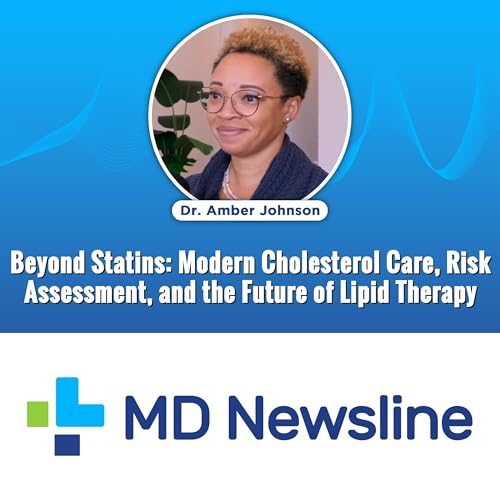
  • Beyond Statins: Modern Cholesterol Care, Risk Assessment, and the Future of Lipid Therapy
    Mar 17 2026
    In this episode of MD Newsline, Dr. Amber Johnson, Assistant Professor of Medicine and General Cardiologist at the University of Chicago, provides an in-depth look at modern cholesterol management and cardiovascular risk reduction. She discusses evolving lipid guidelines, aggressive LDL-C targets, statin intolerance, and the growing role of non-statin therapies. Dr. Johnson also explores emerging research on lipoprotein(a), hypertriglyceridemia, and future directions in lipid-lowering treatment. Episode Highlights Evolving Cholesterol Management and ASCVD Risk Dr. Johnson explains how cholesterol treatment has become more aggressive over the past decade, driven by robust evidence linking LDL cholesterol to cardiovascular events. She emphasizes LDL-C as the primary treatment target and discusses the role of HDL, triglycerides, and inflammatory markers such as high-sensitivity CRP, particularly in women. Lifestyle Modification and Population-Level Prevention Heart-healthy lifestyle interventions remain foundational to cardiovascular prevention. Dr. Johnson highlights the American Heart Association's Life's Essential Eight, including physical activity, diet, sleep, and smoking cessation, as critical components of long-term risk reduction. Key Updates in 2025 Dyslipidemia Guidelines Dr. Johnson reviews the 2025 ESC/EAS-focused update, emphasizing lower LDL-C targets for high- and extreme-risk patients. She discusses the increasing use of PCSK9 inhibitors, adjunct lipid-lowering therapies, and the recommendation for routine lipoprotein(a) screening as a risk-modifying factor. Risk Assessment and Personalized Treatment Decisions For primary prevention patients, Dr. Johnson outlines how risk calculators, coronary artery calcium scoring, and comorbidities such as diabetes and metabolic syndrome guide lipid-lowering intensity. She also addresses how updated endocrine and diabetes guidelines influence earlier and more aggressive treatment strategies. Statin Intolerance and Treatment Sequencing Persistent barriers to statin use include side effect concerns, cost, and polypharmacy. Dr. Johnson shares practical strategies for managing statin intolerance, including dose adjustments, switching statins, alternate-day dosing, and the addition of non-statin therapies such as ezetimibe, bempedoic acid, and PCSK9 inhibitors. Non-Statin Therapies and New Treatment Options Dr. Johnson discusses when to escalate therapy to PCSK9 inhibitors, including monoclonal antibodies and siRNA-based agents like inclisiran. She also explains how cost, access, and insurance coverage influence real-world treatment decisions. Triglycerides and Emerging Lipid Targets While triglycerides are often overlooked, Dr. Johnson reviews their clinical significance, particularly in severe hypertriglyceridemia. She discusses lifestyle interventions, fibrates, omega-3 therapies, and emerging agents targeting ANGPTL3 and APOC-3. The Role of Lipoprotein(a) Routine Lp(a) screening is gaining momentum due to its strong association with cardiovascular disease and aortic stenosis. Dr. Johnson reviews current guideline recommendations, clinical utility, and ongoing outcome trials such as OCEAN and HORIZON that may soon reshape treatment options. Special Populations and Complex Care Dr. Johnson addresses lipid management in patients with chronic kidney disease, HIV, inflammatory diseases, and cancer, emphasizing individualized therapy and careful consideration of drug–drug interactions. Future Directions in Lipid Therapy Looking ahead, Dr. Johnson explores long-acting therapies and gene-editing approaches such as CRISPR, while highlighting the importance of health equity, access to care, and sustainable lifestyle interventions. Key Takeaway Dr. Johnson underscores that lower LDL cholesterol is better, with no identified lower limit of harm, and highlights the growing importance of lipoprotein(a) screening in cardiovascular risk assessment. As lipid therapies continue to evolve, combining guideline-driven care, patient-centered decision-making, and equitable access remains essential to improving long-term cardiovascular outcomes. Resources Website: https://mdnewsline.com/ Newsletter: https://mdnewsline.com/subscribe/ Contact with Dr. Amber Johnson: Here
    Show more Show less
    31 mins
  • Man Enough to Feel: Breaking the Stigma Around Men's Mental Health
    Mar 10 2026

    In this episode of MD Newsline, a distinguished panel of physicians, mental health leaders, former professional athletes, and performance coaches come together for a powerful discussion on men's mental health, vulnerability, and emotional wellbeing. The conversation explores how traditional definitions of masculinity impact mental health, performance, relationships, and help-seeking behaviors—and why redefining strength is critical for future generations.

    Panelists include Dr. Mike Banna, Dominique Easley, Jason Sousa, Dr. Nate Evans Jr., and Dr. Pete Thomas, each bringing unique perspectives from clinical medicine, elite athletics, mental performance coaching, and community leadership.

    Episode Highlights

    Why Men Struggle to Talk About Mental Health
    The panel examines how stigma, fear of judgment, and societal expectations of masculinity prevent men from opening up. They discuss how emotional suppression often begins early in life and carries into adulthood, affecting relationships, leadership, and self-identity.

    Redefining Strength and Masculinity
    Vulnerability is reframed as a core component of strength—not weakness. Panelists challenge outdated narratives that equate emotional expression with failure and emphasize that resilience begins with self-awareness and honesty.

    Mental Health, Athletic Performance, and Life After Sports
    Former NFL player Dominique Easley and performance coach Jason Sousa discuss how unaddressed mental health issues can impact athletic performance and create long-term challenges after retirement. They highlight the importance of identity beyond sport and the role of emotional intelligence in sustained success.

    Creating Safe Spaces for Men
    From barbershops and coffee shops to locker rooms and clinics, the panel shares real-world examples of environments where men feel safe enough to open up. Simple check-ins, active listening, and community-based conversations are emphasized as powerful entry points.

    The Role of Physical Health in Emotional Wellbeing
    Dr. Banna explains the close connection between physical and mental health, highlighting how sleep, exercise, diet, and outdoor activity directly influence mood, stress resilience, and emotional regulation.

    Turning Pain Into Purpose
    Dr. Nate Evans Jr. shares how unprocessed pain can limit growth, while intentional healing can transform lived experience into purpose and leadership. The discussion emphasizes that resilience is built—not inherited—and healing benefits both individuals and their communities.

    Hope for the Next Generation
    The panel expresses optimism about younger generations who are more open, emotionally aware, and willing to advocate for mental health support. Early education, open dialogue, and mentorship are seen as key drivers of lasting change.

    Key Takeaway

    True strength lies in self-awareness, vulnerability, and connection. By normalizing conversations around men's mental health and creating safe spaces for emotional expression, individuals and communities can foster healthier relationships, stronger leaders, and better outcomes across all areas of life.

    Resources

    Website: https://mdnewsline.com/
    Newsletter: https://mdnewsline.com/subscribe/

    Contact with Panelists:

    · Dr. Mike Banna: Here

    · Dominique Easley: Here

    · Jason Sousa: Here

    · Dr. Nate Evans Jr: Here

    Show more Show less
    1 hr and 6 mins
  • Understanding Alzheimer's Disease: Biomarkers and Early Detection
    Mar 3 2026

    In this episode of MD Newsline, Dr. Rudolph J. Castellani, a neuropathologist and Director of the Division of Neuropathology at Northwestern University, offers a deep dive into the biology, diagnosis, and ongoing controversies surrounding Alzheimer's disease. He explores how Alzheimer's is defined clinically and pathologically, the evolving role of biomarkers in early detection, and why modifying biomarkers has not yet translated into meaningful clinical improvement for patients. Dr. Castellani also discusses the promise and limitations of artificial intelligence, personalized medicine, and lifestyle interventions in Alzheimer's research and care.

    Episode Highlights

    Defining Alzheimer's Disease
    Dr. Castellani explains how Alzheimer's disease can be defined clinically—through progressive memory and cognitive decline—or pathologically, based on hallmark brain lesions such as amyloid plaques and neurofibrillary tangles identified post-mortem. These structural changes remain central to diagnosis but do not fully explain disease progression.

    The Role of Amyloid and Biomarkers
    Amyloid beta, a key component of senile plaques, can now be detected through cerebrospinal fluid testing, blood-based biomarkers, and PET imaging. Dr. Castellani discusses how biomarkers help identify disease presence earlier but raises important questions about whether amyloid is a driver of disease or merely an associated marker.

    Early Detection: Promise and Ethical Concerns
    While biomarkers allow detection before symptoms appear, Dr. Castellani highlights the ethical dilemma of diagnosing asymptomatic individuals. He questions whether early identification without effective intervention may increase anxiety without improving outcomes.

    Therapies and Clinical Trial Limitations
    New anti-amyloid therapies, including FDA-approved agents, show only marginal cognitive benefit in highly selected trial populations. Dr. Castellani emphasizes caution when extrapolating these results to broader, more diverse patient groups and underscores the potential risks and toxicities associated with these treatments.

    Artificial Intelligence and Predictive Modelling
    AI and machine learning may enhance predictive modeling by integrating biomarkers, genetics, and cognitive data. However, Dr. Castellani notes that prediction alone is insufficient without therapies that meaningfully alter disease progression.

    Age of Onset and Risk Factors
    Alzheimer's disease can present as early as a patient's 30s in rare genetic cases or later in life in sporadic forms. Dr. Castellani reviews known risk factors, including APOE genotype, hypertension, diabetes, hearing loss, and traumatic brain injury, while stressing that many associations remain poorly understood.

    Personalized Medicine and Genetic Counseling
    Genetic testing—particularly for APOE and pathogenic mutations—plays a role in personalized risk assessment. Dr. Castellani emphasizes the importance of careful counseling, as not all individuals want or benefit from knowing their genetic risk.

    Supportive and Interdisciplinary Care
    With no curative treatments available, interdisciplinary care involving neurologists, neuropsychologists, and social workers is essential. Dr. Castellani highlights the importance of caregiver support, expectation management, and access to specialized centers.

    Lifestyle and Prevention
    Although lifestyle changes may not alter the underlying biology of Alzheimer's disease, healthy diet, exercise, and reducing inflammation and oxidative stress can improve quality of life and overall health.

    Key Takeaway

    Dr. Castellani underscores that while biomarkers and amyloid-focused therapies dominate current Alzheimer's research, they have not yet delivered meaningful clinical improvement. A broader research approach—beyond amyloid—combined with realistic expectations, ethical care, and strong support systems is essential for patients and families navigating Alzheimer's disease.

    Resources

    MD Newsline Website: https://mdnewsline.com/
    Newsletter: https://mdnewsline.com/subscribe/
    Contact with Dr. Rudolph J. Castellani: Here

    Show more Show less
    31 mins